

Continuing Chapter 2 of Notebook, Lizzie Kroeze, Director of Product Development & Marketing for the EU Region at AGI Denim, shares her perspective on where meaningful progress is taking shape and why optimism remains essential to creating lasting change.
Commitment Over Initiatives
The biggest progress is happening where companies are making long-term commitments rather than isolated initiatives.
When large retailers commit to integrating regenerative, organic or recycled fibers across their core collections, or adopt lower-impact manufacturing processes as standard, that creates meaningful change because it’s consistent and scalable.

I’m also encouraged by the increasing focus on transparency and traceability. While legislation continues to evolve, it’s helping the industry better understand its own supply chains and creating greater visibility of and for upstream partners.
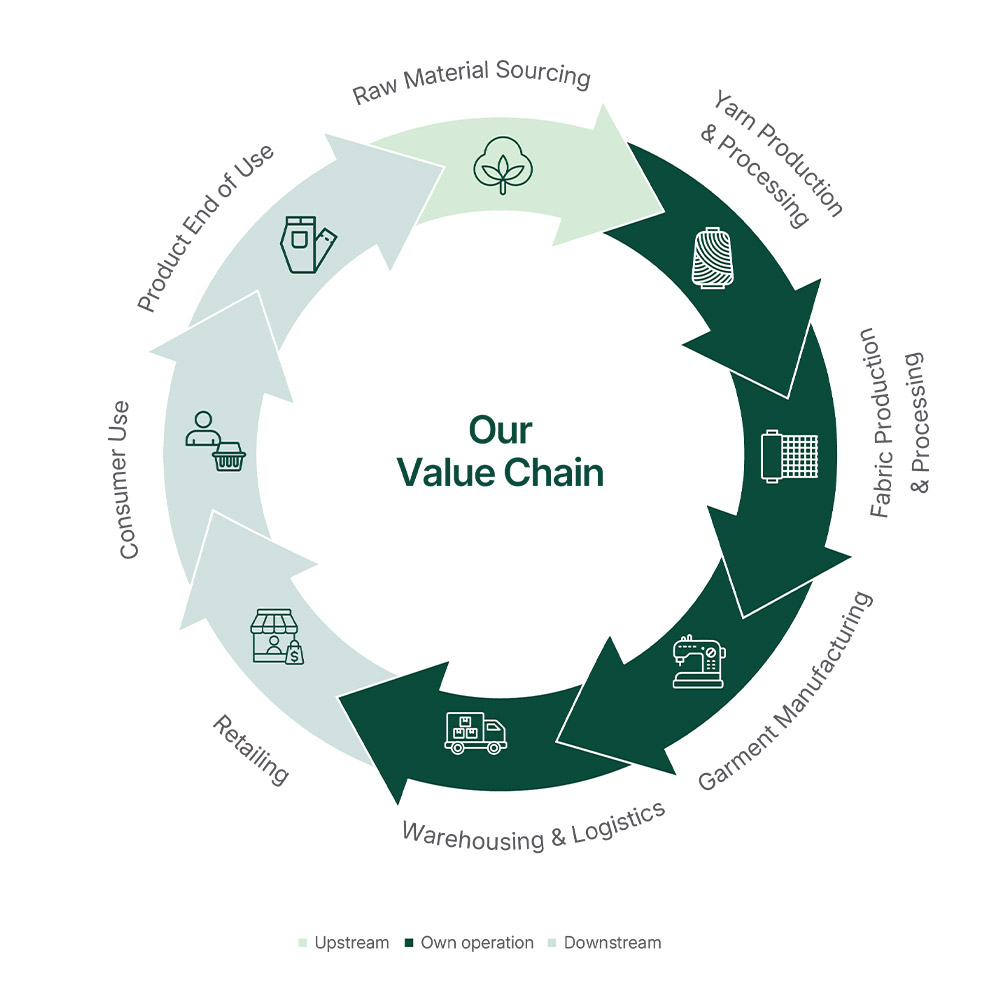
Perhaps most importantly, I’m seeing stronger long-term partnerships between brands and suppliers. Real innovation happens when companies stop treating suppliers as interchangeable and instead work together over many years. That’s when knowledge, expertise and investment can come together to create lasting improvements across the entire value chain.
Keeping the Momentum
I think optimism is essential because without it, we’ll simply stop trying.
The reality is that we’re confronted every day with the consequences of climate change, heatwaves, flooding, wildfires, and we’re increasingly aware of the human cost of many of our production systems. It can feel overwhelming.
But sustainability has always been about incremental progress. Most of the changes that truly move the industry forward aren’t dramatic, they’re thousands of small improvements that build on one another over time.
To me, optimism isn’t about ignoring reality or pretending everything is fine. It’s about believing that our decisions still matter. It’s what keeps us showing up, continuing the conversations, convincing partners to do things differently, and believing that meaningful change is still possible.

The conversation continues in Chapter 2.2, where Lizzie explores how responsibility moves beyond checklists and into everyday decision-making. Coming soon.